
Our work
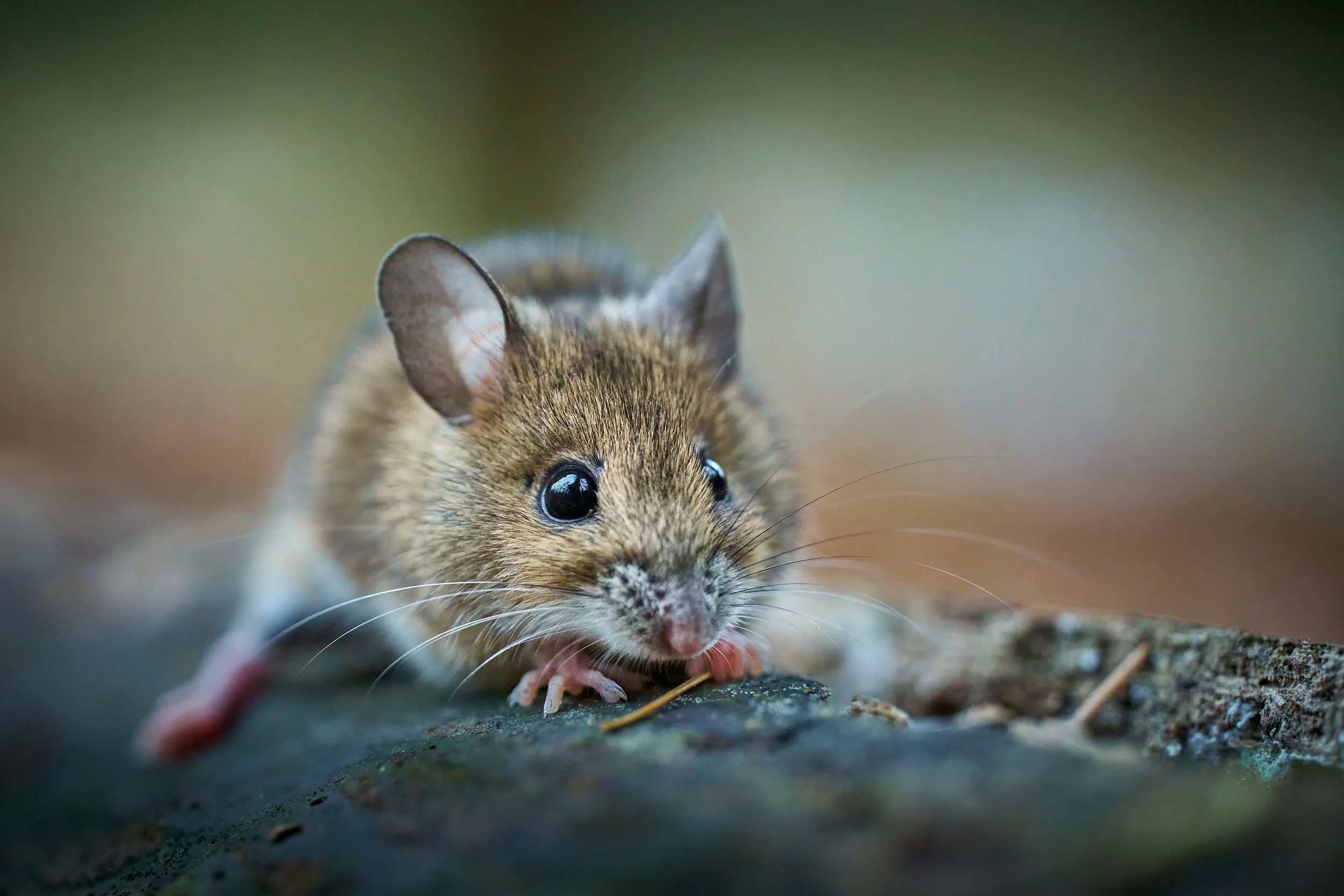
Reducing the use of animal poisons
The problem
Billions of animals are poisoned each year across the UK and the EU.
Anticoagulant rodenticides kill animals through progressive internal bleeding (hemorrhages) over several days. Many millions of rats and mice, as well as non-target animals like barn owls, red kites and even pets, suffer painful and prolonged deaths.
What we want to see
We recommend restrictions on the sale and use of anticoagulant rodenticides. The default should be to use non-lethal methods to control animal populations - like removing food sources. We recognise that anticoagulants can be an important tool for professional pest managers in some contexts, but reasonable restrictions are essential for protecting wild animal welfare.
We recommend that target animal welfare is considered when governments are licensing new animal poisons.
Our work so far
We are developing a Humane Rodent Control League Table, which will compare different governments’ efforts to restrict sale and use of anticoagulant rodenticides and promote Integrated Pest Management.
We responded to the EU Commission’s consultation on the Biocidal Products Regulation, recommending that new substance authorisations take wild animal welfare into account.
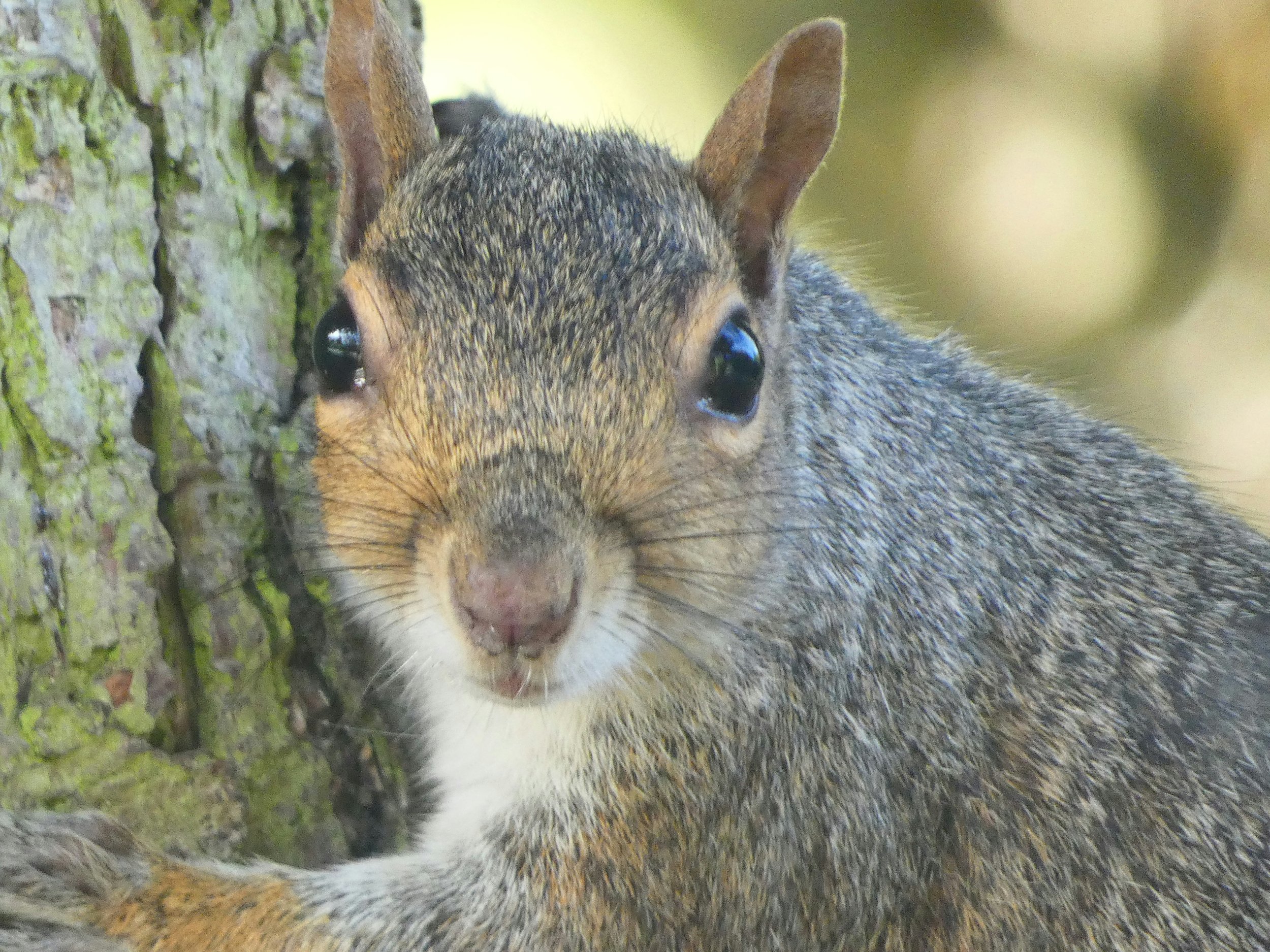
Fertility Control
The problem
Fertility control could provide a humane alternative to culling, by lowering birth rates instead of killing animals. But we need scientific research and policy changes to transition to using fertility control for wild animal population management.
What we want to see
A new regulatory pathway for wildlife fertility control in the UK and the EU.
Public funding to support scientists working on fertility control research, like rat fertility control.
Our work so far
We are developing recommendations for a new regulatory pathway, which would make it easier to deploy fertility control in the UK and the EU.
We have shared a policy briefing with political leadership in the UK, explaining how a lack of funding and regulatory uncertainty are blocking the development and deployment of wildlife fertility control.
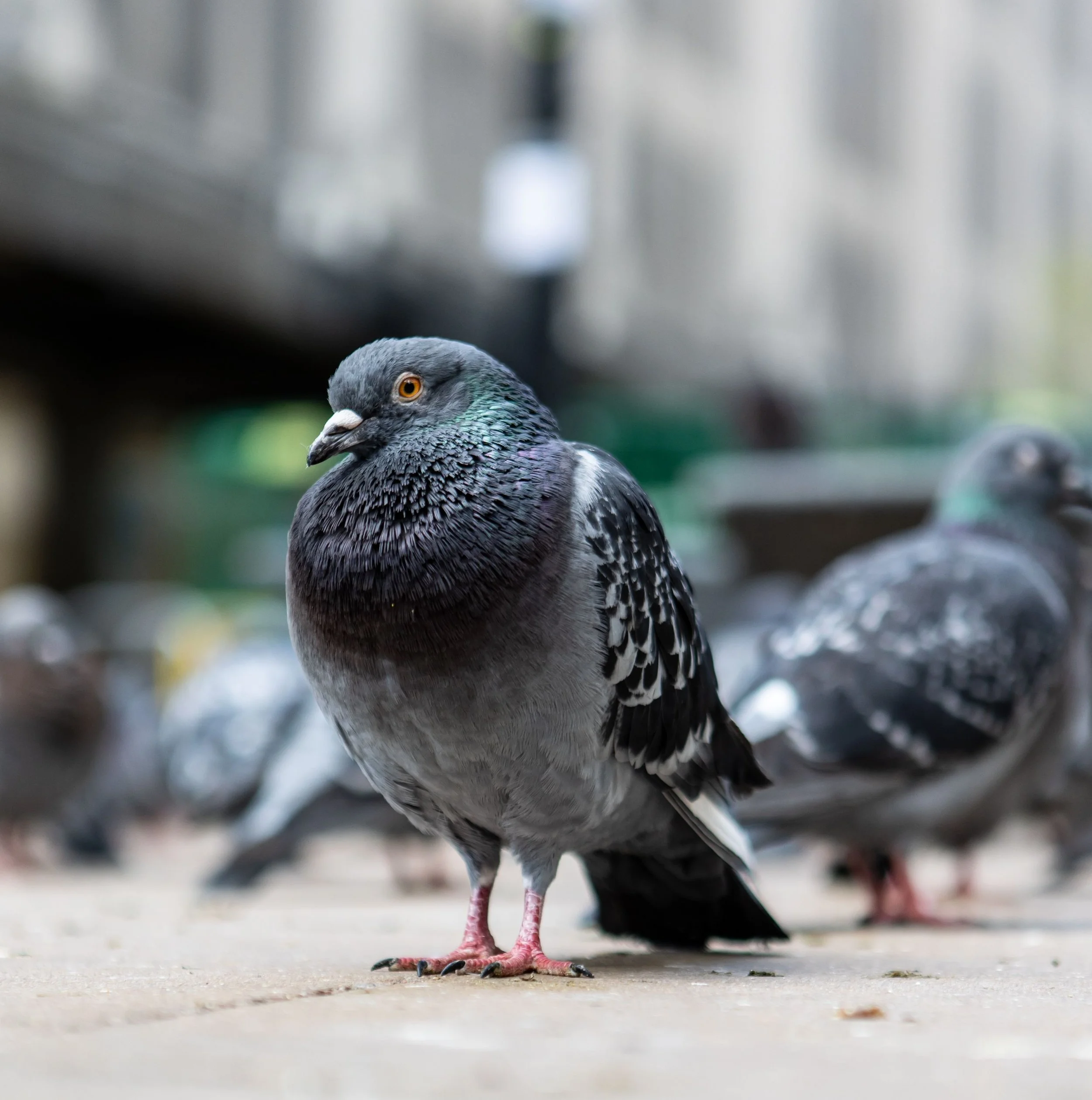
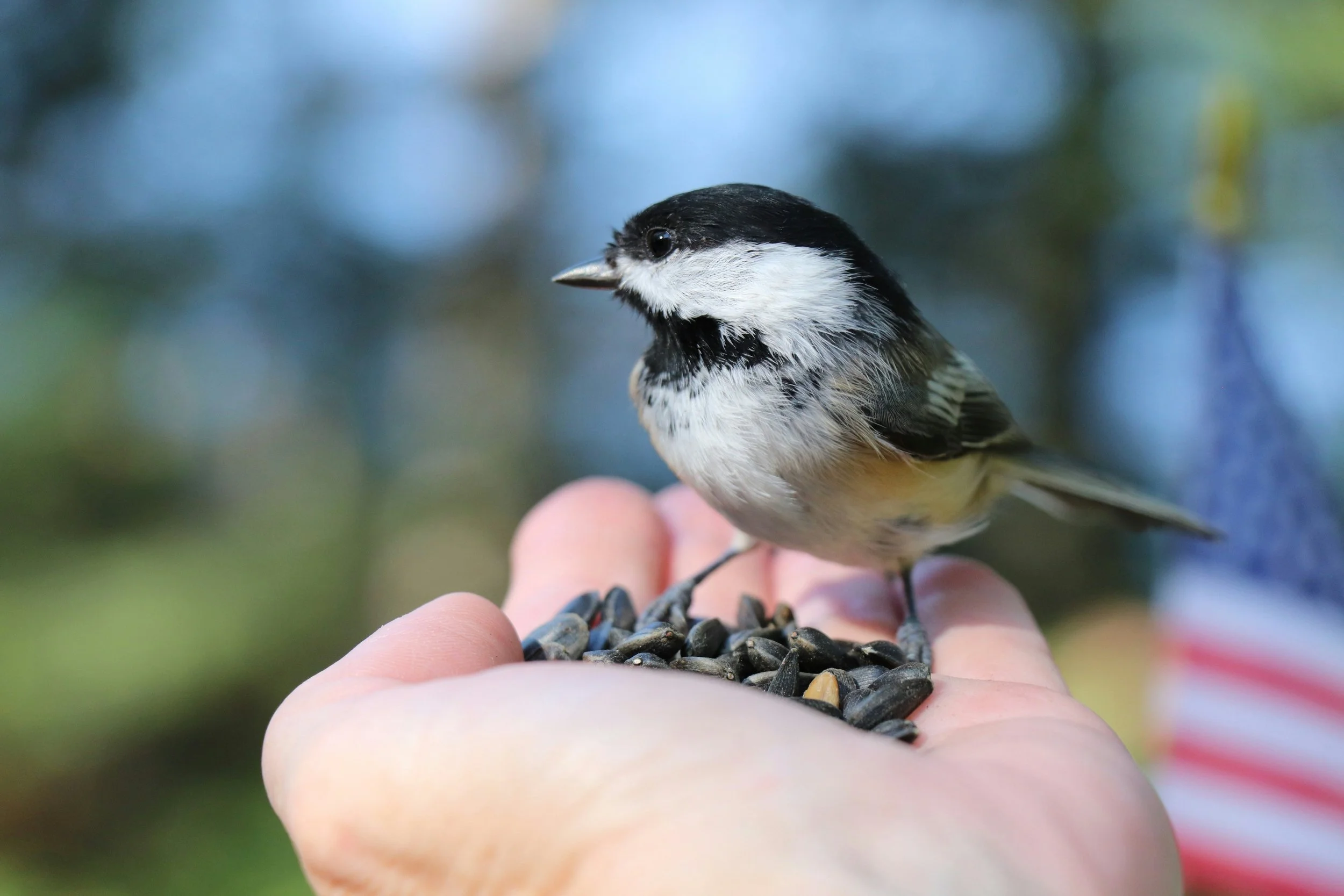
Bird-safe glass
The problem
Everyone has seen a bird that’s injured themselves after colliding with a window. What many people don’t realise is that this is happening at a massive scale. Estimates suggest that over a billion birds die from bird-window collisions each year in the United States.
What we want to see
Bird-safe glass uses patterns, coatings, or structural features that signal a solid barrier to birds, while remaining functionally transparent to humans. We want buildings to use bird-safe glass, especially in high-risk areas.
Our work so far
We supported members of the UK House of Lords in proposing amendments to the Planning and Infrastructure Bill to promote bird-safe glass, as well as to give wider consideration of wild animal welfare in the built environment.

Publications
-
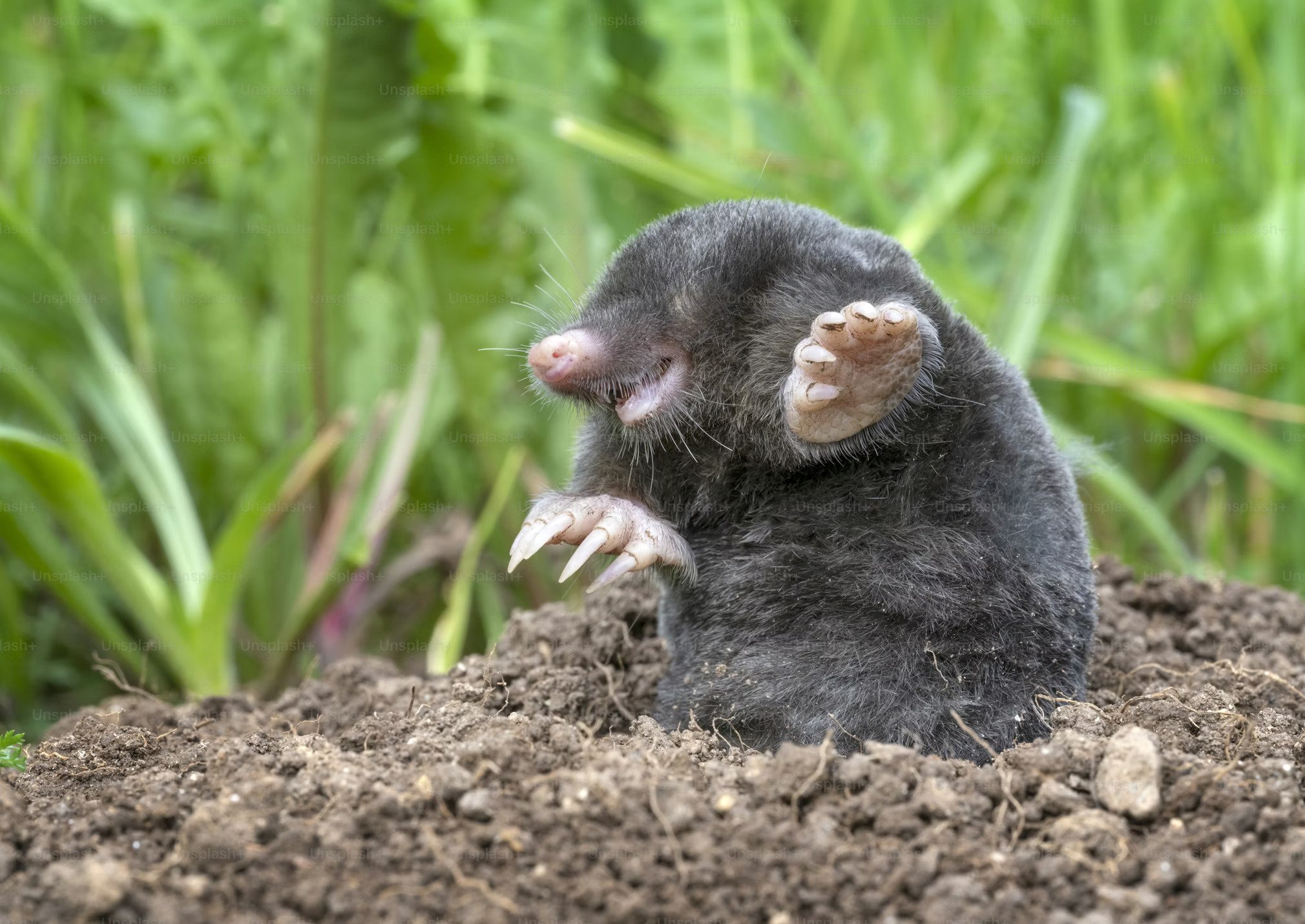
Mole traps policy briefing
Context: The UK Government is considering policy reforms on mole traps. We worked with academic experts to produce evidence-based recommendations for policymakers on this topic.
-
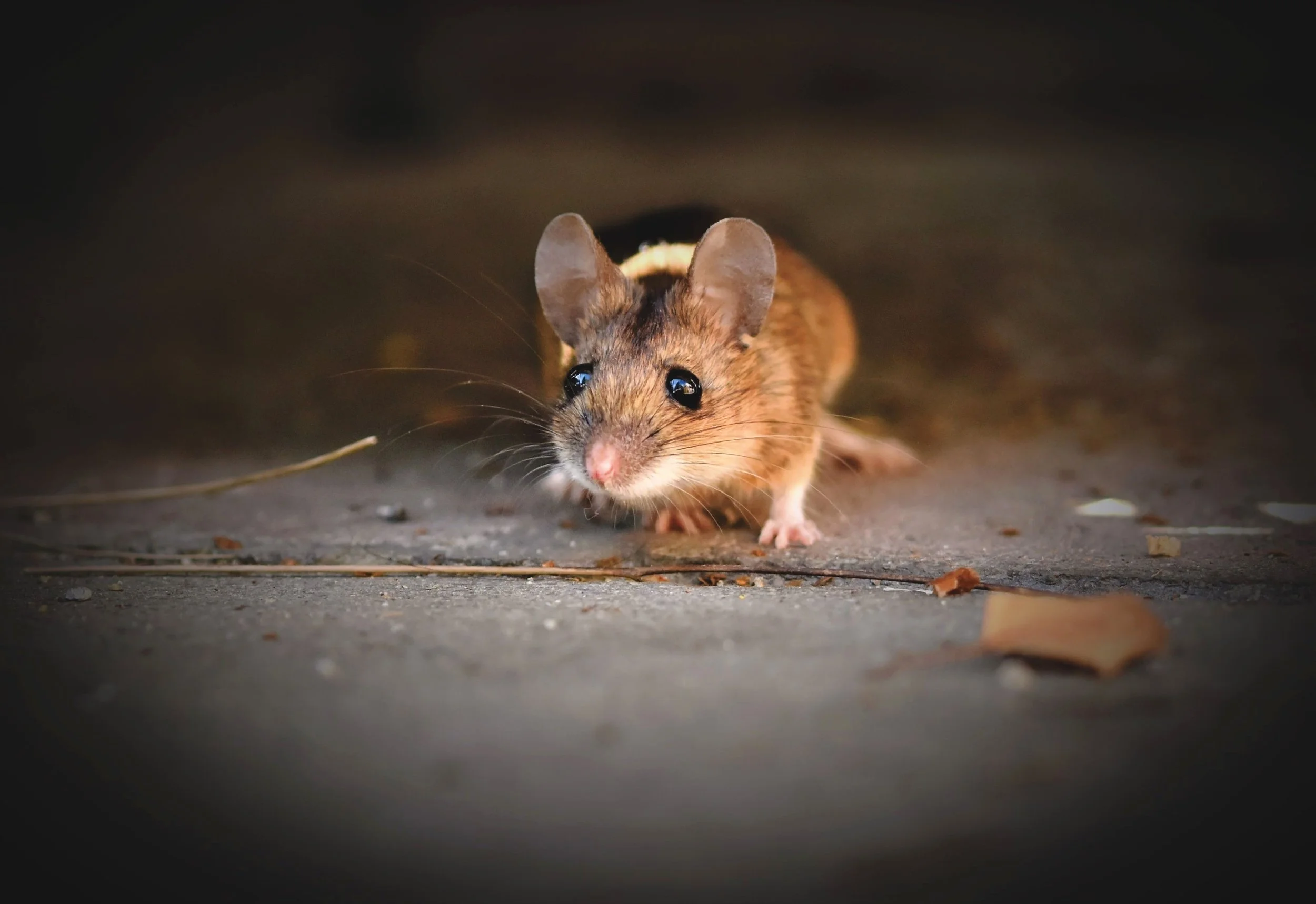
Wild Animal Welfare in the EU Biocidal Products Regulation
Context: The European Commission is consulting on reforms to the regulations on animal poisons in the EU. We submitted these policy recommendations. We recommend that new poison authorisations should consider wild animal welfare, and that the EU should introduce a smoother pathway for the registration of wildlife fertility control products.

Stay up to date with our work
Subscribe to our newsletter for occasional updates from our team. We share important research, policy insights, and opportunities to support better outcomes for wild animals.